What Is SEO and How Does It Work?
A plain guide to search engine optimization: what it means, how search engines rank pages, and why it brings steady organic traffic.
What Is SEO?
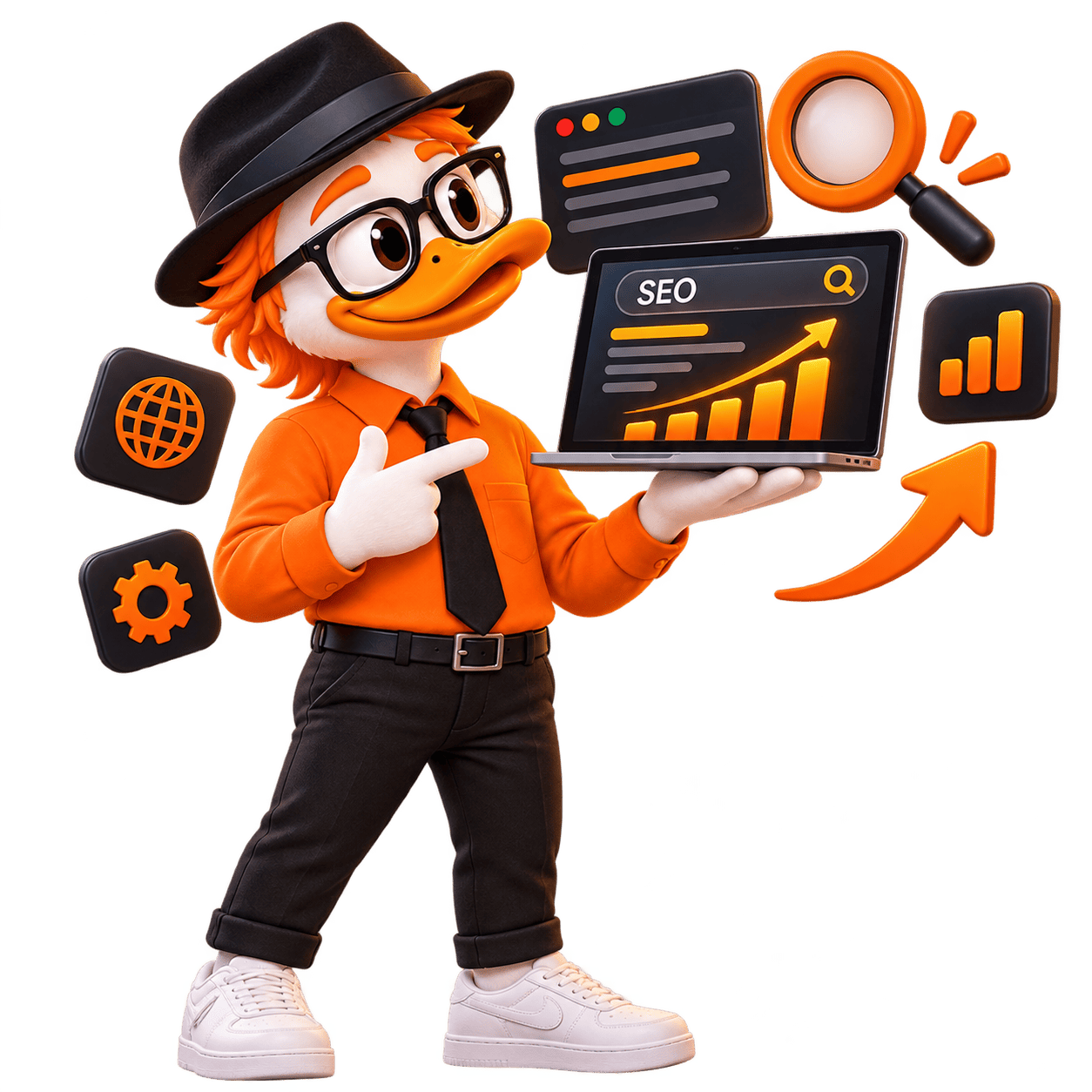
SEO stands for search engine optimization. It is the practice of improving a website so it shows up in the unpaid, organic results of search engines like Google.
When your pages match what someone searches for and the site is easy for search engines to read, your search engine rankings improve and you earn organic traffic that keeps coming without a per-click cost. Paid ads work the opposite way: you pay for each click, and visibility stops when the budget stops.
In one line: SEO is earning free, organic visibility in search by making your website genuinely useful and easy for search engines to understand.
Fleece Lined vs Standard Custom Hoodies
Neither option is better for every situation. The right pick depends on the weather you dress for and how the hoodie gets used. Here is a side-by-side to make the choice clear.
There is no single public formula that guarantees a top spot. Lasting SEO focuses on being genuinely useful, backed by a healthy, easy-to-read website. Google explains the basics in its SEO starter guide.
What Are the Different Types of SEO?
Most SEO work falls into four groups. A strong strategy uses all of them together.
on
On-Page SEO
Keywords, headings, useful content, meta titles and descriptions, images, and internal links, all matched to search intent.
Off
Off-Page SEO
Backlinks from relevant, trusted sites, brand mentions, and authority signals earned ethically, never through manipulative schemes.
Tec
Technical SEO
Crawlability, clean indexing, logical site structure, mobile usability, and page speed so search engines can access your pages.
Loc
Local SEO
Visibility for location-based searches, which matters most for shops, clinics, and service businesses. Often handled through local SEO services.
Why Is SEO Important?
Most online experiences start with a search. If your pages are not visible when people look, they find someone else.
SEO does not promise guaranteed traffic or revenue, and no honest provider will say otherwise. It gives useful pages a fair chance to be found, and supports the rest of your digital marketing services.
How Long Does SEO Take, and Where Do You Start?
There is no fixed timeline. SEO is a longer-term process, and speed depends on your site’s age, competition, keyword difficulty, technical condition, content quality, and consistency. Anyone promising a ranking by a set date is not being straight with you.
- Understand your audience and what they search for
- Research keywords and match search intent
- Create useful content that answers real questions
- Understand your audience and what they search for
- Research keywords and match search intent
- Create useful content that answers real questions
When Should You Consider Professional SEO Services?
Plenty of basics you can handle yourself. Professional SEO services make sense when the site is large, the market is competitive, or time is short.
- Limited SEO knowledge or not enough time
- A large website or technical problems
- A competitive market that needs real strategy
- Ongoing content, local SEO, and reporting
- Judge providers on transparency and reporting
- Look for a strategy built after reviewing your site
- Expect realistic goals, never guaranteed rankings
- Make sure you keep your data and accounts
Pricing varies with website size, competition, and scope, through retainers, projects, consulting, or audits. If you want it handled as part of a wider plan, our SEO marketing services cover strategy, content, and technical work. Compare the Starter, Growth, and Premium plans, or book a call to scope what you need.
Common questions about SEO
Have questions about Markro Digital’s services or how we execute projects? Here are answers to the most common questions we receive. If you need more customized information, feel free to reach out.
01. What is SEO?
SEO, or search engine optimization, is the process of improving a website so it appears in the organic, unpaid results of search engines. The aim is visibility for relevant searches and steady organic traffic. It covers content, technical health, and links, all working together so search engines can find, understand, and rank your pages.
02. How does SEO work?
Search engines crawl the web to discover pages, index what those pages are about, then rank them for each search by relevance and usefulness. SEO is the work of making your pages easy to discover, clear to understand, and genuinely helpful, so they earn a place in those rankings for the terms your audience uses.
03. Why is SEO important?
Most people start with a search, so being visible there is often where new customers begin. SEO brings organic traffic without paying per click, builds credibility, and reaches people already interested in your topic. It does not guarantee traffic or sales, but it gives useful pages a fair chance to be found.
04. How long does SEO take to work?
There is no fixed timeline. Results depend on your website’s age and authority, competition, keyword difficulty, technical condition, content quality, and consistency. SEO is generally a longer-term process rather than an instant result. Anyone promising a ranking by a set date is not being honest.
05. What are the different types of SEO?
The four main types are on-page SEO, which covers your content and page details; off-page SEO, which covers backlinks and authority; technical SEO, which covers crawlability, speed, and site health; and local SEO, which helps you appear for location-based searches. A strong strategy uses all four together.
05. Can SEO help a small business?
Yes, and it is often one of the more cost-effective channels for small businesses. It targets people already searching for what you offer, helps you show up for local searches, and builds trust before the first contact. Small business SEO and local SEO services focus on steady, relevant visibility so you can compete without outspending larger rivals on ads.